Memory foam pillows are designed to respond to body heat and pressure, gradually conforming to the head and neck. This contouring can help distribute pressure and support a more stable sleeping position. Within bedding, pillow shape, loft, and material are important considerations because they influence comfort and how the pillow fits a person’s sleep posture.
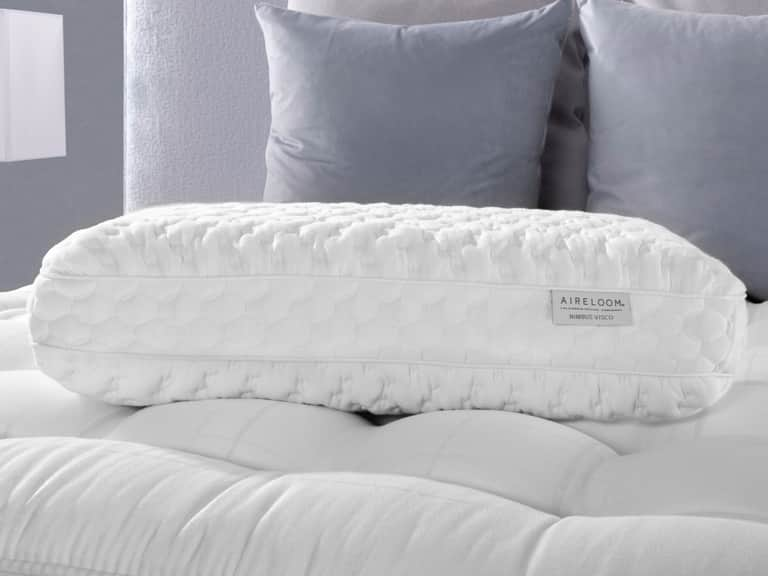
The Aireloom Nimbus Visco High Profile Pillow combines viscoelastic memory foam with a higher loft. Its contoured response is intended to cradle the head while supporting the neck, and the high-profile design may be useful for sleepers who need more elevation. Individual fit depends on shoulder width, mattress firmness, and preferred sleeping position.
Memory foam pillows differ in firmness, shape, and thickness, so these features affect how they feel and perform. A pillow that maintains its form can provide consistent support through the night, while pressure-responsive foam adapts as weight shifts. Side, back, and stomach sleepers may require different loft levels to keep the head comfortably aligned.
When comparing pillows, consider how the pillow’s height relates to the body and the surface beneath it. A higher profile may complement broader shoulders or a firmer mattress, while a lower loft may work better for other needs. The Aireloom Nimbus Visco High Profile Pillow is one option for those assessing supportive memory foam designs.
Pillow materials are also part of a wider bedding decision that may include organic mattresses and natural latex organic mattresses. Memory foam and latex have different feel and response characteristics, so material preferences can guide comparisons. Understanding loft, contouring, and support helps clarify how memory foam pillows may contribute to a comfortable and well-supported sleep setup.
 Bedding